Leading Through Change
Every organisation experiences change. New technology. New leadership. Restructures. Growth. Economic uncertainty. Changing customer expectations.
While change is inevitable, how leaders respond to it often determines whether organisations thrive or struggle. The greatest challenge isn't usually implementing change. It's helping people navigate it.
Behind every organisational transformation are individuals asking questions such as: 'What does this mean for me?' 'Will I still be successful?' 'Can I adapt?'
Great leaders recognise that successful change isn't just about strategy. It's about people.
“Leadership isn't about removing uncertainty. It's about helping people move through uncertainty together.”
Change Creates Uncertainty
Uncertainty is a natural human response to change. When people don't have answers, they often create their own. Rumours spread. Confidence drops. Productivity suffers.
This is why communication becomes one of the most important leadership responsibilities during periods of change. People don't expect leaders to know everything. They expect honesty.
Communicate Early and Often
One of the biggest mistakes leaders make is waiting until every detail has been finalised before communicating. Silence creates uncertainty.
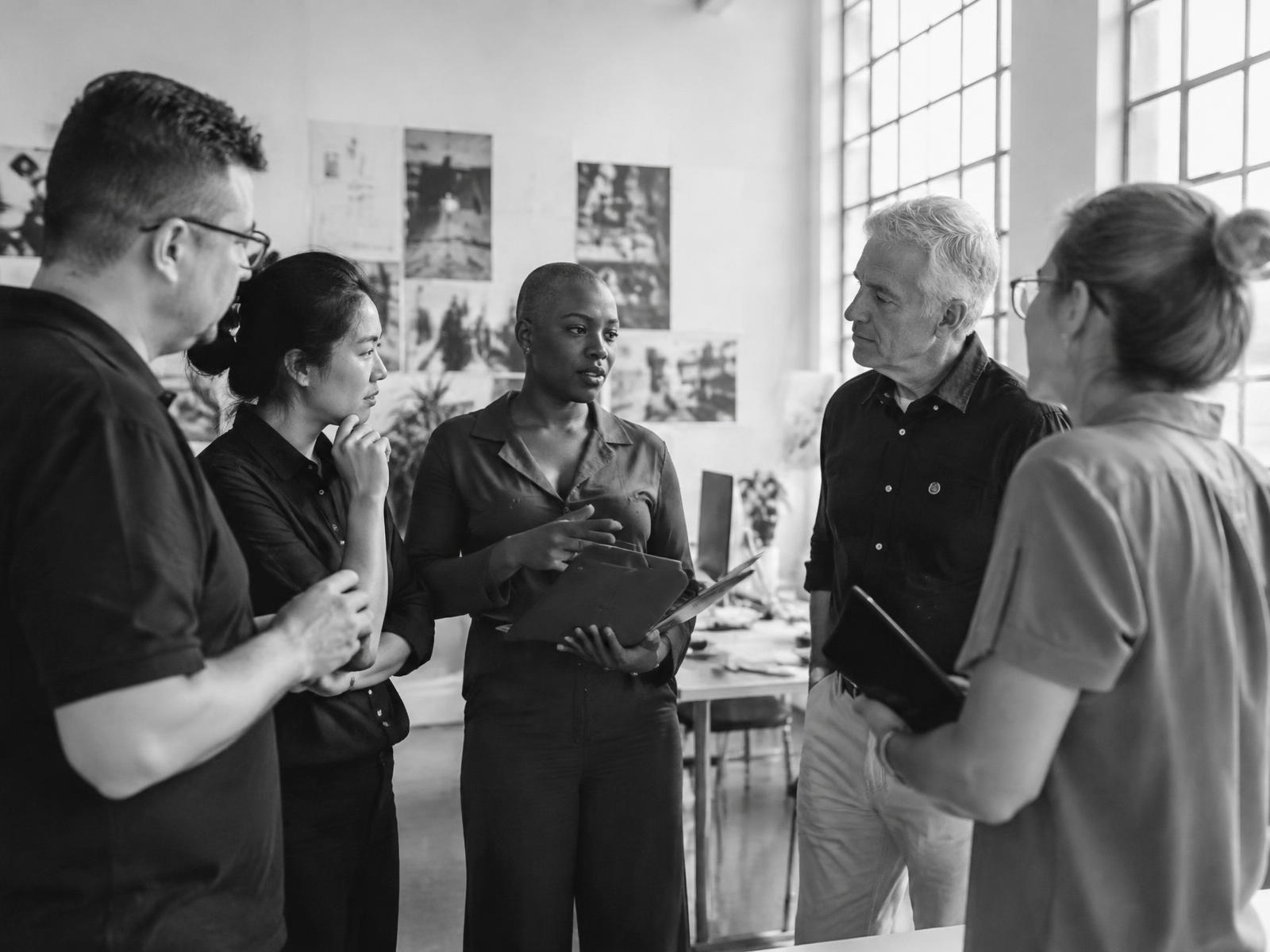
Even if every answer isn't available, regular updates help people feel informed and included. Good communication during change should explain what is changing, why it matters, what remains the same, what happens next and where people can ask questions. Consistency builds confidence.
Listen Before You Lead
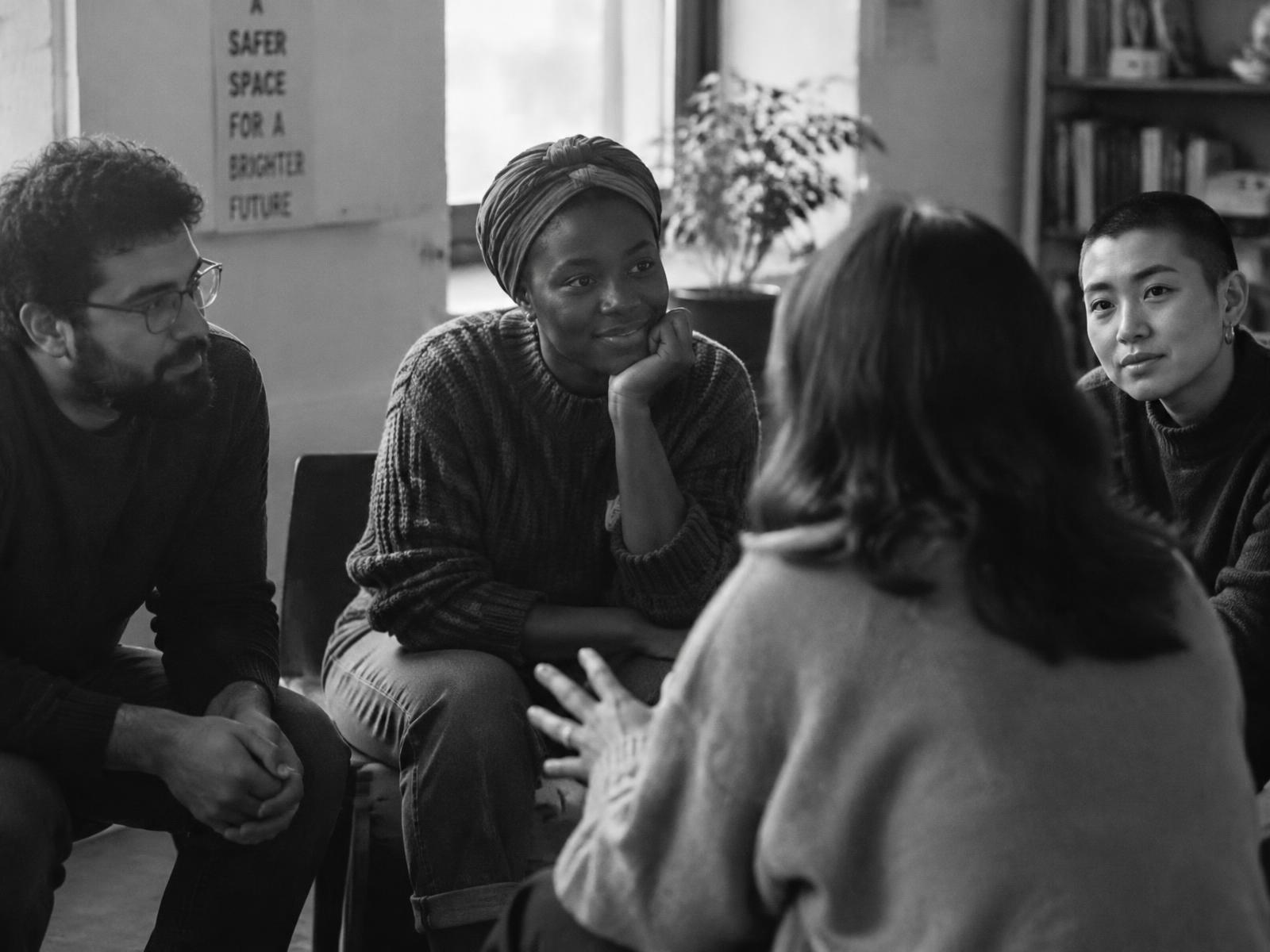
Leadership isn't only about delivering messages. It's about understanding how those messages are being received. Create opportunities for people to share concerns, questions, ideas, feedback and suggestions.
People are far more likely to support change when they feel heard. Listening also helps leaders identify issues before they become larger problems.
Lead With Empathy
Not everyone experiences change in the same way. Some people feel excited. Others feel anxious. Some embrace uncertainty. Others need more reassurance.
Great leaders recognise these differences and respond with empathy rather than judgement. Empathy doesn't remove accountability. It strengthens trust.
Focus on What People Can Control
During periods of uncertainty, it's easy for teams to become overwhelmed by factors outside their control. Effective leaders help people focus on practical actions.
Ask questions such as: What can we influence? What's our next priority? What support do we need? What opportunities might this change create? Shifting attention towards action builds momentum and confidence.
Change Requires Visible Leadership
People watch leaders closely during uncertainty. They notice how calmly you respond, how you communicate, whether your actions match your words, how you treat others and whether you remain optimistic while acknowledging challenges.
Leadership credibility is often strengthened — or weakened — during periods of change.
Coaching Supports Change
Change often creates uncertainty about careers, confidence and future opportunities. Coaching provides individuals with space to process change, build resilience, develop confidence, strengthen leadership capability, adapt to new ways of working and identify opportunities within uncertainty.
Organisations that invest in coaching during periods of change often help employees transition more successfully.
The Opportunity Hidden Within Change
While change is challenging, it also creates opportunities. Teams learn new skills. Leaders develop resilience. People discover strengths they didn't know they had. Organisations innovate. Careers evolve.
Some of the greatest professional growth happens during periods of uncertainty. The leaders who recognise this help others see possibility rather than simply disruption.
Final Thoughts
Change is no longer an occasional event. It's becoming a constant feature of modern work. The organisations that succeed won't be those that avoid change. They'll be the ones that lead people through it with clarity, empathy and confidence.
Leadership isn't about removing uncertainty. It's about helping people move through uncertainty together.
At We Almighty, we believe every period of change is ultimately about people. When organisations invest in human development, coaching and strong leadership, they don't simply survive change. They grow because of it. Because the future belongs to organisations that help people realise their potential — even when the path ahead is uncertain.
What to take away
Change is inevitable, but great leadership determines how successfully organisations navigate it. Discover practical strategies for leading people through uncertainty with confidence, empathy and clarity.