Building a Coaching Culture
The world's most successful organisations don't just invest in strategy, technology or innovation. They invest in people.
Increasingly, the organisations attracting and retaining the best talent are those where learning isn't an annual event—it's part of everyday work.
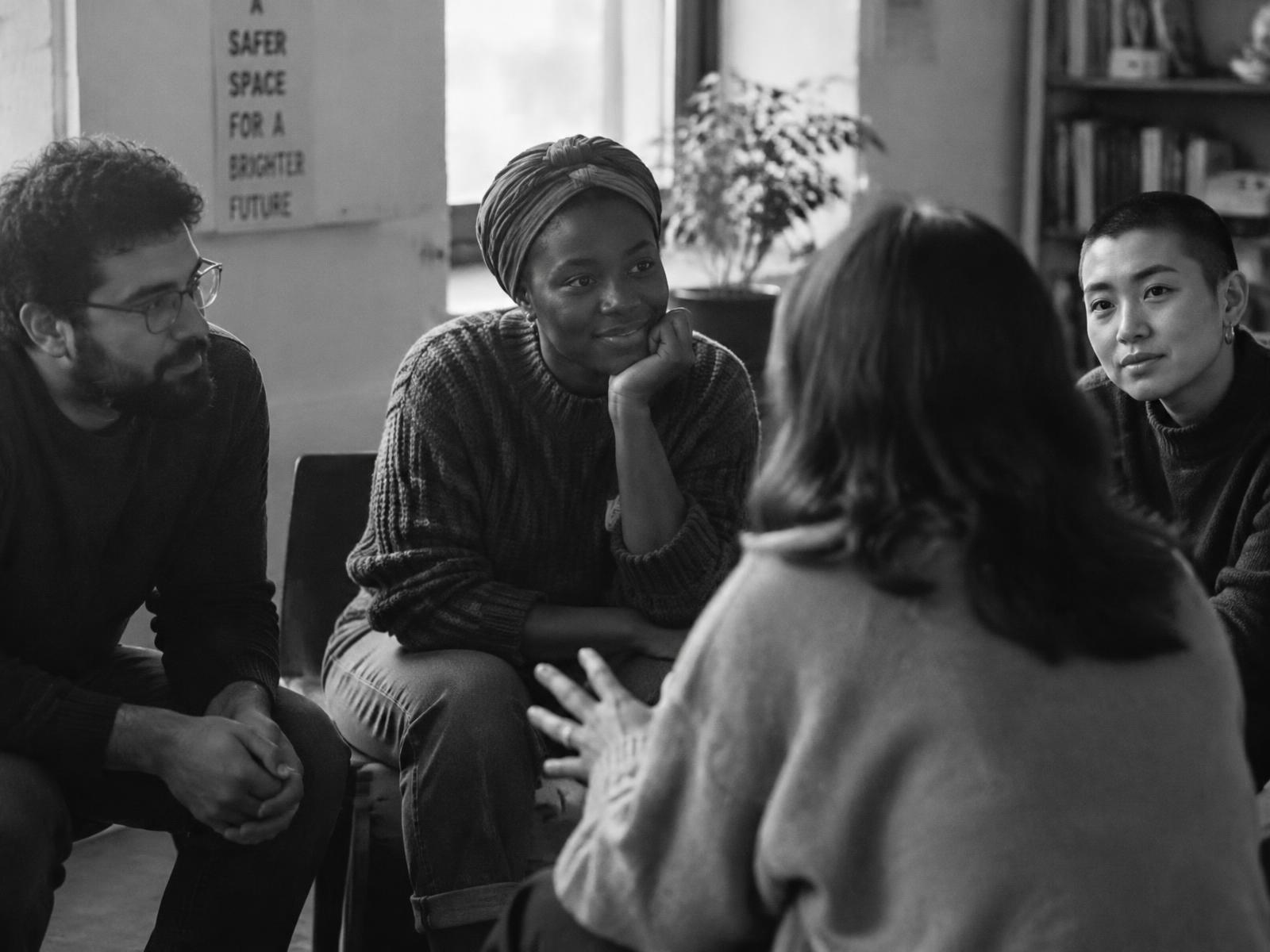
This is what a coaching culture looks like. A coaching culture isn't about sending a handful of executives on coaching programmes. It's about creating an environment where curiosity, development, feedback and continuous learning become part of how people work together every day.
When coaching becomes embedded into the culture, organisations don't just develop better employees. They develop better leaders, stronger teams and more resilient businesses.
“The future of work belongs to organisations that make coaching part of everyday life.”
What Is a Coaching Culture?
A coaching culture is one where leaders spend less time giving answers and more time helping people discover them.
Rather than relying on hierarchy and instruction, organisations encourage conversations that develop capability, confidence and accountability.
In a coaching culture, managers ask more questions than they give answers. Feedback is frequent and constructive. Learning happens continuously. Employees feel safe to contribute ideas. Development is everyone's responsibility. Curiosity is encouraged. Mistakes become opportunities to learn. Coaching becomes part of everyday leadership—not a separate initiative.
Why Coaching Cultures Perform Better
When people feel supported, they perform differently. They become more engaged, more confident, more willing to innovate and more likely to take ownership.
Organisations with strong coaching cultures often experience higher employee engagement, stronger leadership capability, improved collaboration, better communication, greater innovation, higher retention and increased adaptability during change.
People don't simply work harder. They work better together.
Managers Become Multipliers
Traditional management often focuses on solving problems. Coaching leaders focus on developing people who can solve problems themselves.
Instead of saying, 'Here's what you need to do,' they ask: What options have you considered? What outcome are you aiming for? What support would help? What do you think the next step should be?
This approach develops confidence, ownership and independent thinking. The best managers don't become indispensable. They build teams that thrive without constant direction.
Coaching Shouldn't Be Reserved for Senior Leaders
Historically, coaching has often been viewed as an executive benefit. But leadership challenges don't begin in the boardroom.
They begin when someone becomes a first-time manager, returns from parental leave, prepares for promotion, leads change, navigates redundancy, builds confidence or faces a new challenge. Every employee experiences moments where the right conversation can make a meaningful difference.
A coaching culture makes that support accessible across the organisation.
Technology Is Changing How Coaching Is Delivered
The future of coaching isn't about replacing human conversations. It's about making them easier to access.
AI can help identify development needs, recommend the right coach or specialist and personalise learning journeys. Technology removes friction. People create transformation.
The most effective organisations combine intelligent technology with trusted human expertise.
Coaching Builds Better Leaders
Leadership isn't something people master after attending a single workshop. It develops through reflection, experience and continuous feedback.
A coaching culture helps leaders improve communication, build emotional intelligence, strengthen decision-making, develop confidence and support their teams more effectively.
Great leaders don't stop learning when they become leaders. They become even more committed to it.
Creating a Coaching Culture Starts Small
Building a coaching culture doesn't require a complete organisational transformation overnight. It starts with everyday behaviours.
Managers asking one more question before offering an answer. Leaders making time for meaningful one-to-one conversations. Teams reflecting on what they've learned after completing a project. Employees feeling safe enough to ask for help.
Small moments repeated consistently become organisational culture.
The Future Belongs to Organisations That Develop People
Technology will continue to evolve. Markets will continue to change. The organisations that succeed won't simply have the best products.
They'll have the people who learn fastest, adapt quickest and lead with confidence. That's why human development is becoming one of the most important strategic investments any organisation can make.
Final Thoughts
A coaching culture isn't another HR initiative. It's a leadership philosophy. It's a commitment to helping people realise their potential every day.
When organisations create environments where people feel supported, challenged and encouraged to grow, performance naturally follows.
At We Almighty, we believe coaching should be accessible whenever people need it—not just when they reach the executive level. Because when organisations invest in human development, they create better leaders, stronger teams and more resilient businesses.
The future of work belongs to organisations that make coaching part of everyday life.
What to take away
Discover how organisations can build a coaching culture that develops leaders, empowers employees and creates a workplace where people continuously learn, grow and perform at their best.